
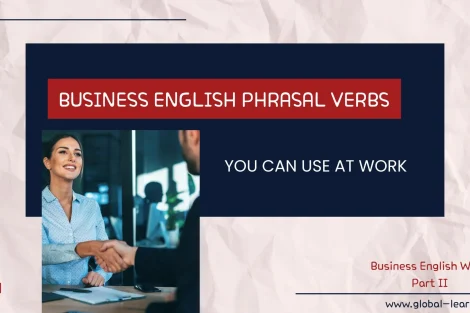
1. BURN OUT refers to the state of physical, mental, or emotional exhaustion due to prolonged stress or overwork, leading to decreased performance and well-being. Example: The high-pressure environment and long hours are causing employees to burn out quickly. 2. DRAW UP refers to the act of creating, preparing, or composing a document, plan, agreement, or any formal written material. Example: We need to draw up a business plan before presenting it to potential investors.
Lecții de limba engleză
Aprofundarea cunoștințelor de limba engleză – moduri creative, care îmbină educația cu distracția

15 Useful Phrasal Verbs Commonly Used in the Financial And Banking Domain
1. Carry out: To perform or execute a financial transaction or activity. Example: “We need to carry out a thorough audit of our financial statements before submitting the report.” 2. Settle up: To pay off a debt or balance. Example: “Please settle up your outstanding credit card balance by the due date to avoid additional charges.” 3. Write off: To remove an asset or debt from a financial statement as a loss or non-recoverable. Example: “The company had to write…

Present Simple -s or -es
V-am pregatit cateva table salvate prin captura de ecran in timpul orelor noastre de limba engleza pentru adulti incepatori. In aceasta ora, am lucrat utilizarea verbelor la timpul Present Simple si am observat ca asezarea literei s sau a grupului es se uita. Ideea este simpla, numai la persoana a III-a singular, adica la she, he sau it, adaugam verbelor s sau es si numai la afirmativ. La negativ si la intrebari lasam verbul fara s sau es pentru ca…
Modele de teste Cambridge Pre A1 Starters, A1 Movers, A2 Flyers, B1 PET, B2 FCE cu raspunsuri
Modelul de Test Pre A1 Starters conține 3 părți după cum urmează: 1. Listening (about 25 minutes) - 5 parts/ 25 questions 2. Reading and Writing (40 minutes) - 7 parts/ 44 questions 3. Speaking (7-9 minutes) - 4 parts Testul poate fi descărcat accesând link-ul de mai jos: Descarca Test Pre A1 Starters
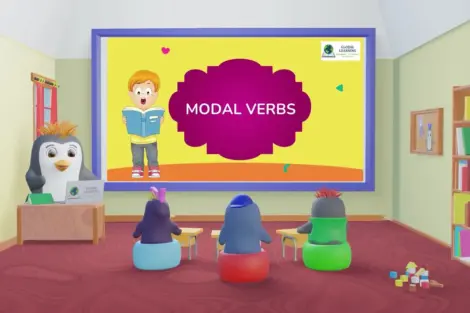
Curs de limba engleza pentru copii – Modal Verbs – Elementary English Course A1-A2 for Children
Curs de limba engleza pentru copii - Modal Verbs The Verb ‘Can’ Verbul ‘’a putea’’ We use the verb CAN when we need to express: Folosim verbul can (a putea) când avem nevoie să exprimăm: Ability of doing something. Abilitatea de a face ceva. My deskmate can run very fast. Colegul meu de bancă poate alerga foarte repede. Permission to do something.
Activitati de vara – La sediu
Locul perfect pentru o vacanță de vară petrecută în limba engleză! În vacanța de vară, la cursul nostru, îți propunem pentru copilul tău o preocupare deosebit de interesantă, din care învață noțiuni și lucruri noi și își face super prieteni!
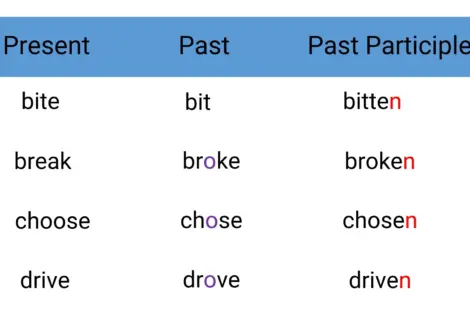
Irregular Verbs with -n in the Past Participle
Bite - bit - bitten Break - broke - broken Choose - chose - chosen Drive - drove - driven Eat - ate - eaten Fall - fell - fallen Forbid - forbade - forbidden Forgive - forgave - forgiven Forget - forgot - forgotten Freeze - froze - frozen Get - got – gotten

The Living Room – Sufrageria – carte de colorat
sofa = canapea carpet = mochetă, covor cushion = pernă radio = radio TV = televizor remote control = telecomandă newspaper = ziar table = masă chair = scaun pictures = tablouri lamp = veioză fruit = fructe curtains = perdele drapes = draperii bookcase = bibliotecă fireplace = șemineu CD/DVD = CD/DVD books = cărți magazine = revistă candle = lumânare vase = vază armchair = fotoliu flowerpot = ghiveci de flori Cartea de colorat pentru copii poate fi…