

Alfabet romanesc (The Alphabet of the Romanian Language) Alfabetul limbii române conține 31 de litere: Literă (the letter) Nume (the name of the letter) A, a a Ă, ă ă Â, â î / î din a B, b be / bî C, c ce / cî D, d de / dî E, e e F, f ef / fe / fî G, g ge / ghe / gî H,…
Lectii gratuite
Blog

Intransitive phrasal verbs
In articolul de astazi vom vorbi despre „intransitive phrasal verbs”, acele verbe cu prepozitii care nu sunt urmate de un complement: (The following phrasal verbs are not followed by an object): break down (stop functioning = a se strica) My car broke down in the desert and I waited 10 hours for someone to help me. catch on (become popular = a deveni popular) That video game caught on. Every child is playing it! come back (return to a place…

„Stellen” sau „stehen”? „legen” sau „liegen”?
Cateva verbe extrem de asemanatoare ca forma, chiar si ca semnificatie putin, insa foarte diferite in comportament, pun probleme celor care invata limba germana. “stellen” se confunda cu “stehen” „legen” cu “liegen” “setzen” cu “sitzen“ iar “hängen” are doua comportamente, de nu se mai intelege… Ce se intampla, de fapt!? Esential este faptul ca unele exprima locatia obiectelor, altele directia. Pe scurt, daca actiunea se intampla IN locul sau CATRE locul din propozitie. stellen (a pune ceva in pozitie verticala,…
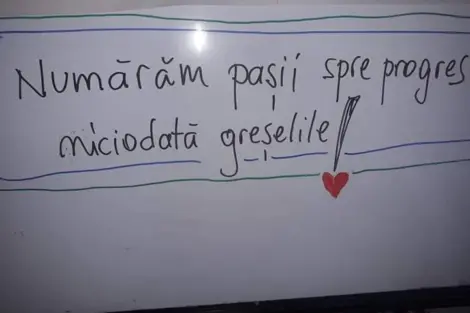
Cum reactionam la greseala si corectam copilul
Reactii in fata greselilor copiilor: “A gresi este omeneste”, “nu-i o problema daca gresesti”, “nu ma supar pentru o nota mica”, “si eu greseam”…. Astfel de cuvinte spun parintii copiilor…la inceput. Cum ajung apoi sa puna o presiune atat de mare pe cei mici, incat aceste vorbe sa nu mai fie crezute de copii? Exagerarea in reactii Sunt parinti care tipa foarte tare la copil, sau se arata extrem de nemultumiti, comenteaza mult timp, sau arata insistent copilului cum ar…
Lecția nr. 2 = Lesson no. 2
Pronumele personale = The Personal Pronouns eu = I tu = you el = he ea = she noi = we voi = you ei = they (masculin) ele = they (feminin) Familia = The Family
Separable Phrasal Verbs 3
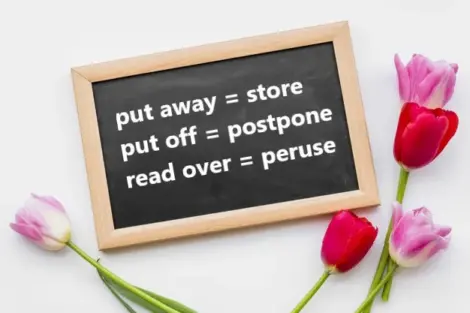
In articolul de astazi va vom prezenta ultimele exemple cu “separable phrasal verbs”: pick up (lift something off something else = a ridica) I’ve already asked the children to pick their toys up from the floor. put away (save or store = a economisi) We put money away for holiday. put off (postpone = a amana) My boss cannot arrive to the meeting today. Can we put it off until tomorrow? put on (put clothing on the body = a…

Countable and Uncountable Nouns – Substantive numarabile si nenumarabile in engleza
In English grammar there are 2 types of nouns: Countable nouns (substantive numarabile). Uncountable nouns (substantive nenumarabile). Countable nouns refer to the nouns which can be counted. They have both singular and plural form. (Substantivele numarabile se refera la acele substantive care pot fi numarate, acestea au forma de singular si plural).

Verbul Have si have got
O intrebare pe buzele multora dintre cei care invata limba engleza este: "Care este diferenta dintre "have" si "have got"?" "Cand folosim "have" si cand "have got"?" Atat verbul “have” cat si “have got” inseamna a avea, “have got” poarta insa numai semnificatia de a avea ceva in posesie, a detine ceva. Se refera la orice avem pentru ca am obtinut, am cumparat, am gasit, am primit cadou, am mostenit lucruri sau trasaturi fizice... “Have got” este foarte des întâlnit în vorbirea…